
Why Marketing Automation Often Feels Complicated Until You See How It Actually Works
Why Marketing Automation Often Feels Complicated Until You See How It Actually Works
A lot of business owners hear the phrase “automation” and immediately picture complicated code, robotic emails that frustrate customers, or a massive upfront investment that drains cash before you see a return. That reaction is completely understandable because marketing tools have a reputation for being clunky and hard to manage. When we strip away the technical jargon, though, the core concept becomes surprisingly straightforward.
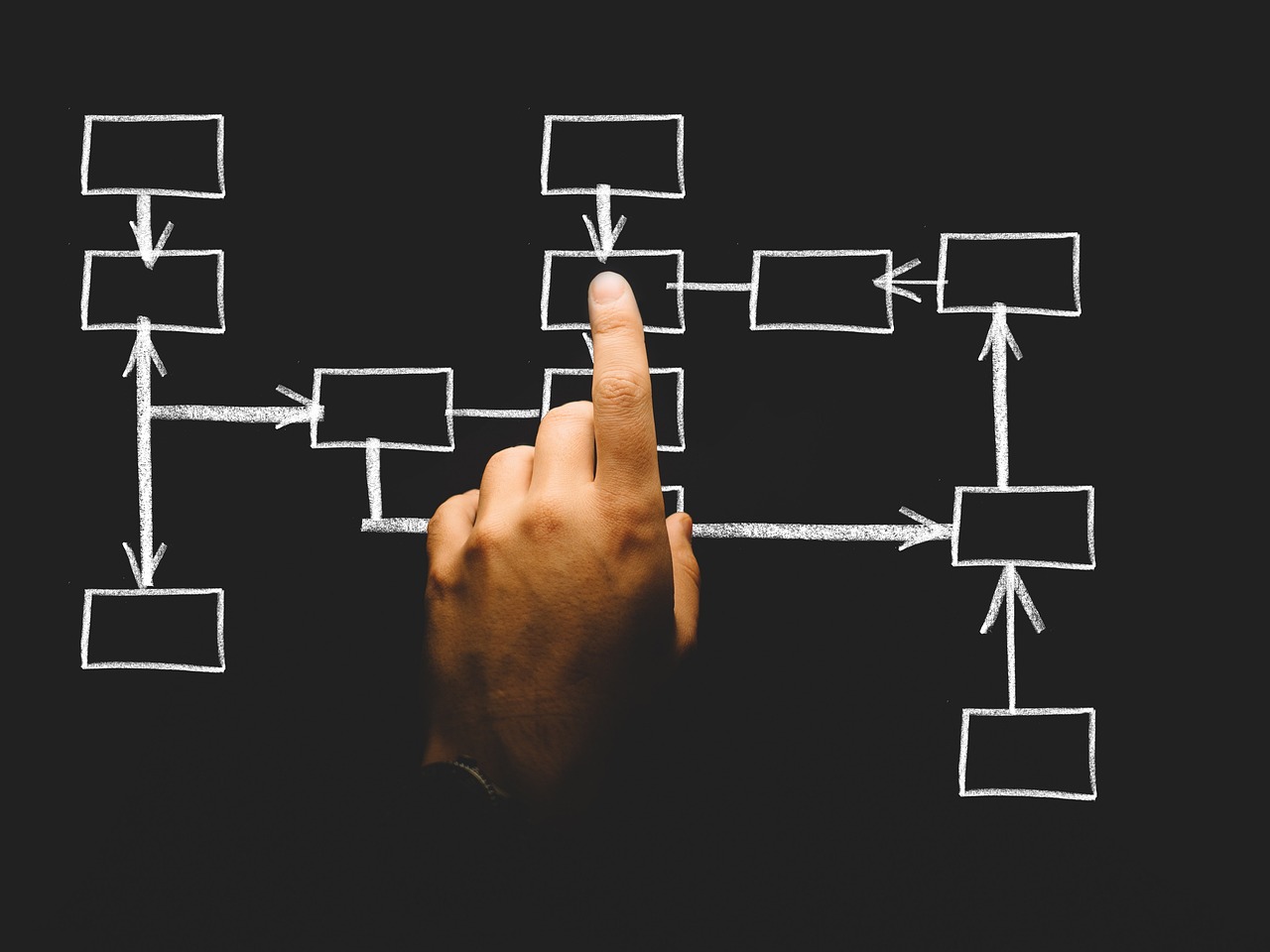
Marketing automation explained simply comes down to logic applied to repetitive tasks. It is about setting up systems that respond automatically when a specific action happens, such as someone filling in an enquiry form or requesting a quote. This allows you to stay in touch with prospects consistently without spending hours on manual follow-ups every single day. The goal is not to replace human interaction but to free up your time so you can focus on high-value conversations rather than chasing paperwork.
What Marketing Automation Actually Means for Your Business
The biggest misconception is that automation is only for large corporations with big budgets. In reality, small and medium businesses benefit just as much if not more because the overhead of manual administration eats a larger chunk of their capacity. Automated systems handle the routine tasks that often get pushed to the end of the day, when energy levels are low and errors are more likely.
A well-designed setup can trigger an immediate thank you email when a customer submits an enquiry, send a scheduling link for appointments, or follow up with a helpful tip sheet after a service is completed. These workflows run in the background 24 hours a day. They ensure no lead falls through the cracks and that customers feel valued at every stage of their journey. This consistency builds trust much faster than sporadic manual outreach ever could.
Common Misconceptions About Automated Marketing
Many business owners worry that automation will make them sound impersonal or sales-heavy. The truth is the opposite. Bad manual communication is often more jarring than well-crafted automated messages. If you have been meaning to email a customer for three weeks but keep forgetting, they assume you are disinterested. An automated sequence can deliver timely value exactly when needed, making your business appear reliable and organised.
Another fear is that automation replaces the need for skilled staff. This is not the case. Automation handles the predictable elements so your team can focus on the complex ones. A receptionist or project manager should be spending their time resolving issues and building relationships, not manually copying and pasting emails into a mail client. The system takes care of the repetition while humans handle the nuance.

Where Businesses Often Go Wrong When Starting Out
The most common mistake is over-engineering the workflow on day one. It is tempting to create complex branching paths for every possible scenario, but this often leads to confusion and difficult maintenance. A better approach is to start with one or two core journeys that have the biggest impact on your bottom line. Once these are running smoothly and delivering results, you can gradually expand into more advanced sequences.
Data hygiene is another area where businesses struggle. Automated systems will faithfully spread bad information if the input is messy. If customer records lack phone numbers or contain duplicate entries, the automation will either fail to communicate or annoy prospects with repeated messages. Regularly auditing your database and ensuring your CRM is structured correctly is essential before you turn on any workflows.
What a Smooth Workflow Looks Like in Practice
A practical example of automation in action involves the journey from initial contact to completed service. When a prospect submits an enquiry via your website, the system can instantly send a confirmation message with clear next steps and a link to book a suitable time slot. This immediate response satisfies the customer’s desire for speed while automatically adding them to your calendar.
If the business does not receive payment or confirmation within a set timeframe, the workflow can gently remind them without requiring manual intervention from you. After the service is finished, an automated email might arrive requesting feedback or offering advice on maintenance. This keeps your brand top of mind for future needs and encourages repeat business, all while requiring zero effort from your team after the initial setup.
Realistic Expectations for Time and Results
It is important to set the right expectations about timeline and return. Automation is not a magic switch that produces overnight miracles. Setting up robust, error-free workflows takes time to map out, build, and test properly. You need to define exactly what happens at each stage of the customer journey and write the relevant content to support it.
The benefits usually compound over time rather than appearing instantly. As more leads enter your system, the automation handles a growing volume of communication without requiring extra labour from your staff. This creates a scalable foundation for growth. The return on investment becomes clearer as you measure improvements in response rates, booking conversion, and customer satisfaction compared to your previous manual processes.
Data privacy is also a critical factor to consider. Any system handling customer information must comply with regulations regarding consent and data storage. The Information Commissioner’s Office provides authoritative guidance on how to manage personal data responsibly in marketing activities, which should inform how you structure your automated communications. Government resources on growing your business also emphasise the importance of consistent, measured marketing efforts as part of long-term commercial success.

Getting Started With Confidence
The shift from manual to automated processes is about working smarter, not harder. It removes the friction that causes potential customers to lose interest and ensures your team can focus on delivering excellent service rather than administrative drudgery. If you want a second opinion on how these workflows could fit your specific operations, Revive reviews this exact gap for businesses as a matter of routine and can help structure a practical approach that delivers real value.
Still curious about how automation fits with your current setup? Our team is happy to chat through what a streamlined system could look like for your daily tasks. Reach out whenever you are ready for a low-pressure conversation about your goals and how we can support them.
Ready to Transform Your Marketing?
Let us help you implement these strategies and build an automated marketing system that drives real results for your business.
Get Started Today